Does Artificial Intelligence Need a General Counsel?
summary
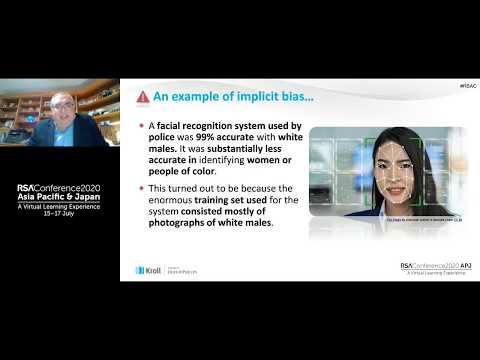
Argues that AI projects routinely miss legal and social risks and that early involvement of legal, compliance and risk teams prevents failures; shows concrete failures: a naval Phalanx test that shredded a nearby ship, a lending model trained on 250,000 records that learned E‑redlining via postal codes, a resume screener biased against women and facial recognition that is 99% accurate for white males but worse for others. Recommends diverse training/testing data and oversight like psycholinguistics only under strict controls.
AI-written summary · about
chapters (12)
- 0:00Intro
- 1:24Overview
- 2:25AI Market
- 2:55Why Build AI
- 6:51What Could Go Wrong
- 11:45Why does this happen
- 13:33Bias
- 17:41Legal Compliance
- 19:07Building a Fence
- 19:36Framing the Problem
- 21:31Takeaways
- 23:17Conclusion
related talks
 01h 00mAI: Law, Policy, and Common Sense Suggestions to Stay Out of Trouble
 24m2025: year of Ai dilemma - ethics, regulations and innovations
 39mBuilding a Responsible AI Governance Program
 52mThe Risky Business, of AI Illiteracy
 28mEthical AI?!
 48mPractical Strategies for Successful AI Adoption in your Organisation
 26mSafeguarding AI: How to Manage AI and its Potential Risks
 49mA Constitutional Quagmire: Ethical Minefields of AI, Cyber, and Privacy