The ABCs (Accelerated, Better and Cheaper) to Cryptographic Resilience

summary
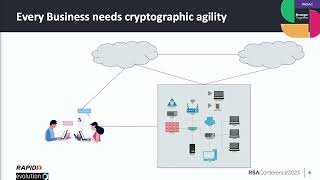
Claims that core PQC math is settled with algorithms like Kyber and Dilithium standardized and encapsulation/signature standards available, predicts HSM certification by 2026 and product-level PQC support ramping to firmware/OS by 2029 and maturity around 2030. Recommends concrete steps: inventory crypto dependencies, prioritize app‑level encryption and one‑time keys/certs, sandbox and vendor testing, join NIST/IETF/PKI working groups, and use a plan‑do‑check‑act rollout. Flags decision and legacy‑system complexity as the primary operational risk.
AI-written summary · about
chapters (13)
- 0:00Introduction and welcome
- 1:09Current cryptographic challenges
- 3:59Quantum technology progress
- 6:09Cryptographic complexity breakdown
- 8:41Post-quantum transition options
- 11:18Legacy systems and regulatory hurdles
- 14:14Decision complexity in adoption
- 16:06Chaotic vs complex environments
- 18:37Security maturity model
- 20:03Practical implementation steps
- 22:12Urgency and timeline alignment
- 23:14Call to action for leaders
- 23:54Q&A session
related talks
 48mPreparing for Quantum: A Pragmatic Approach towards Readiness
 35mHardware Cryptographic Modules
 31m2025 is Here - How to get your PQC Readiness Plan Underway
 33mExtending or Evolving: Choosing the Path to Quantum Readiness
 33mComparing Strategies for Quantum-Safe Cryptography Adoption in Organizations
 28mHow The Canadian Government is preparing for PQC
 22mPost Quantum Policy and Roadmap of the BSI
 46mAchieving Quantum Readiness: A Comprehensive Approach