ASEAN’s Post-Quantum Future: Securing Communications in an Era of Disruptive Change

summary
Claims Malaysia runs a 40‑vendor PQC sandbox and targets TLS 1.3 adoption now, FIPS 140‑3 already in place and certification goals (NAP / common criteria) by 2028; warns IonQ’s roadmap could yield ~1,600 logical qubits by 2028 so timelines may shrink; frames the effort as 80% people and process, 20% technology, urges inventorying crypto libraries and assets, and stresses user experience and legacy device performance while moving to PQC libraries and crypto agility.
AI-written summary · about
chapters (15)
- 0:00Welcome
- 1:02Postquantum transformation in ASEAN
- 2:25Postquantum cryptography gaps
- 3:49Quantum threat timelines
- 5:14Quantum tech acceleration
- 7:21Malaysia’s PQC journey
- 8:50Singapore’s PQC handbook
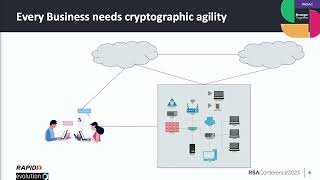
- 10:58Governance and crypto agility
- 12:22Identity verification in Malaysia
- 13:48Quantum security vs user experience
- 14:31Sovereign control in Malaysia
- 15:35Malaysia’s PQC roadmap
- 16:58Vendor PQC certification goals
- 17:41Key resources for organizations
- 18:07Q&A
related talks
 22mPost Quantum Policy and Roadmap of the BSI
 48mPreparing for Quantum: A Pragmatic Approach towards Readiness
 07mEverything You Trust Online Could Break — F5 Labs on Q-Day
 28mHow The Canadian Government is preparing for PQC
 51mQuantum Safe Computing for Telecommunications
 44mQuantum Cyber Risk: How Deep and How Wide?
 33mComparing Strategies for Quantum-Safe Cryptography Adoption in Organizations
 53mPanel: Migrating to Post-Quantum Schemes