Turning Quantum Threats into Opportunities: Modernizing WebPKI with QUIC and Metrics-Driven Insights
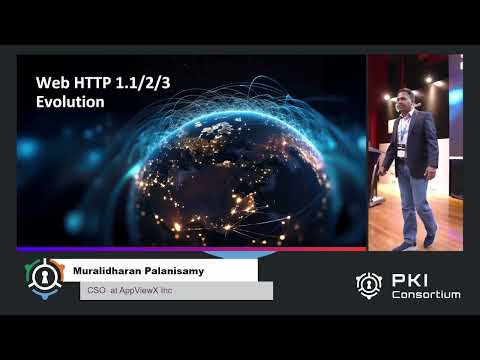
summary
WebPKI migration focuses on measurable tradeoffs: 41% of Fortune thousands using hybrid PQC and TLS 1.3 at ~90% adoption, early benchmarks show QUIC/HTTP3 cuts time-to-first-byte enough to offset larger PQC keys, and University of Colorado tests report markedly shorter handshakes versus TCP+TLS. Concrete metrics include X25519 + Kyber hybrid handshakes with measured handshake size, CPU and memory footprints, and operational effects of short-lived certificates and ACME on revocation and incident response.
AI-written summary · about
chapters (12)
- 0:00Postquantum cryptography intro
- 1:14Speaker and context
- 1:58Redefining WebPKI
- 3:02TLS and postquantum state
- 6:35Postquantum WebPKI challenges
- 8:39HTTP evolution and performance
- 12:18QUIC vs TCP/TLS
- 17:41Tech vs enterprise adoption
- 19:28QUIC performance metrics
- 21:40Mitigating postquantum overhead
- 23:52Migration strategy
- 25:05Q&A
related talks
 28mBirth of the Post-Quantum Internet
 41mPreparing for and migrating to a world with PQC
 30mCoping with post-quantum signatures in the WebPKI
 29mWhy the Internet isn’t ready for Post-Quantum Certificates
 44mPost-quantum cryptography migration strategy for cloud services
 44mPQC at the Internet Engineering Task Force IETF
 10mSummary and Closing
 15mOne App at a Time: DigiCert's Practical Playbook for the Post-Quantum Transition