Preparing for and migrating to a world with PQC

summary
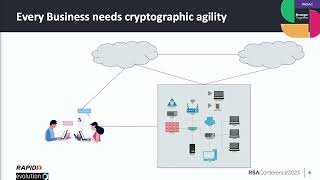
Panelists give actionable steps: inventory cryptography, form a dedicated team, and rate data by sensitivity and lifetime to set priorities. Labs can experiment now using open-source PQC and OQS-wrapped algorithms integrated into wolfSSL to measure TLS impacts; Cloudflare data shows TLS setup can slow ~3x when TCP congestion window is hit. IoT needs hash-based firmware signatures, may require hardware replacement, and timelines vary (national-security upgrades targeted by 2033). Consider hybrid key exchange for near-term confidentiality and adopt a crypto-agility maturity model.
AI-written summary · about
chapters (11)
- 0:00Postquantum cryptography panel intro
- 1:47Where to begin with PQC migration
- 6:21PQC risks awareness
- 12:24IoT PQC challenges
- 16:02CISA PQC timeline
- 20:38PQC performance testing
- 23:09Global PQC standards
- 27:02PQC ecosystem capabilities
- 30:14Cryptographic agility gaps
- 35:08Hybrid cryptography risks
- 39:01Crypto agility and PKI maturity
related talks
 48mPreparing for Quantum: A Pragmatic Approach towards Readiness
 26mThe ABCs (Accelerated, Better and Cheaper) to Cryptographic Resilience
 25mPQC Across Verticals: What We’ve Learned, Where We’re Headed
 33mExtending or Evolving: Choosing the Path to Quantum Readiness
 24mTransitioning to Post-Quantum Cryptography in IAM
 26mFrom Inventory to Action: Navigating the Next Phase of PQC Transition
 24mOvercoming Challenges in Post-Quantum Cryptography Adoption
 33mComparing Strategies for Quantum-Safe Cryptography Adoption in Organizations