Game Hubs: A quest to revolutionise game production
summary
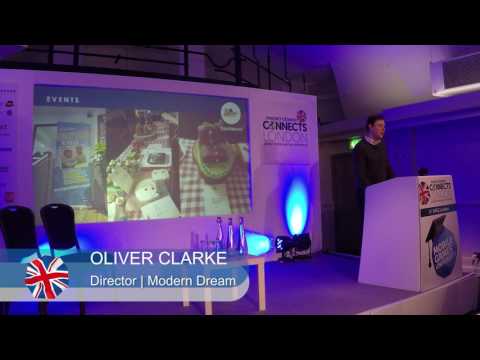
Game hubs run as low‑overhead, not‑for‑profit co-working spaces (one hub opens May 2014 with room for ~30, two active teams) that cut studio burn from typical £6k–8.5k/month to desk fees like £275 or flexible rates ~£200/month. Start funding of £8k (including £6k from Sega Hardlight and council support) builds a working space, hosts events with Devolver, Autodesk/Maya LT and Unity, grows a 256‑member network, and even produces a zipper blitz pay‑per‑minute (6p) model; one sponsored trip returns ~£4M investment.
AI-written summary · about
chapters (11)
- 0:00Game hubs introduction
- 1:27Global hub types
- 3:57Why hubs thrive
- 5:40Cost efficiency & collaboration
- 7:45Funding & legal setup
- 9:12Hub expansion & operations
- 10:54Events & community impact
- 12:15Industry growth & remote work
- 13:41Funding gaps & challenges
- 16:30Future solutions: zipper blitz
- 18:16Small teams & hub potential
related talks
 40mHarmonious Games: Year One
 15mBringing the game studio to the
 01h 00mManaging Complex, Creative Projects As An Indie Team
 46mHow to Grow a Game Studio Through Challenging Times
 37mThe British games industry – The state of play discussion
 17m– 2020 Opportunities
 34mGame Developers Are Becoming Directors, Not Coders
 39mBarcelona Rising: Emergence of A Global Hub For The Games Industry