Making characters and places that people believe in
summary
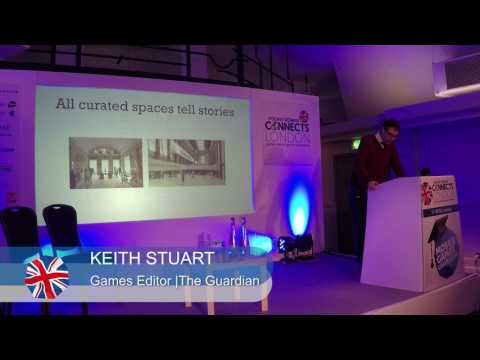
Argues that believable characters and places come from flaws and clutter, not polish, and gives concrete tactics: start from failed utopias and liminal spaces (Robin Hood Gardens, Barbican) to shape levels; treat city billboards and ads as branding as HUD to convey time and power; populate interiors with specific mess — buy period artifacts on eBay and catalogue visuals like Gone Home and Dishonored teams did (buy period artifacts on eBay); let characters make surprising mistakes and leave a few loose threads for circularity.
AI-written summary · about
chapters (14)
- 0:00Intro
- 1:58Story Writers
- 8:18Curated spaces
- 11:26Ikea
- 13:42Cities
- 15:19Blade Runner
- 16:02Brands
- 17:01Interiors
- 17:42Transitional spaces
- 18:21Mess
- 19:37Dishonored
- 20:33Characters
- 21:48Minor Characters
- 22:38Interconnectivity
related talks
 49mMessy characters and breadcrumb trails: Designing player investment
 31mMinimalistic Approach to Crafting Memorable Characters
 35mBringing Personality Back To The Web
 40mCounterintuitivity - making meaningful UX
 53mCreating Emotional Engagement Through Narrative and Game Design
 44mThe Basics of Interactive Storytelling
 21mHow to lay the foundations for compelling storytelling in games
 53mSherlock it Up