DevOps For Dishwashers - Bringing grown up practices to the Internet of Things
summary
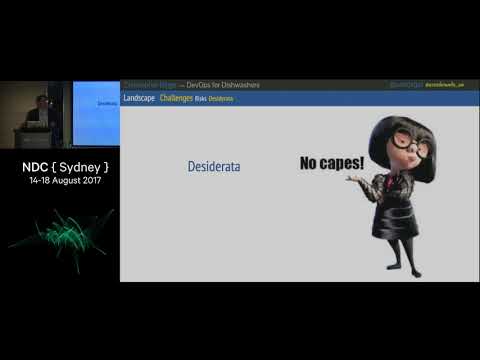
Practical roadmap for IoT DevOps with concrete tools and numbers: uses Docker images for arm and x86 built in CI (GitLab), a pool of Raspberry Pi CI workers to run ARM tests, and a staged registry with manual approval for production. Provisioning and remote control use SaltStack provisioning, ZeroMQ message bus, ElasticSearch/logstash for logs and anomaly detection, signed X.509 device certificates injected at assembly, strategies for flash wear (≈100k cycles), offline sync (AWS Greengrass/Resin.io) and rollbackable updates.
AI-written summary · about
chapters (18)
- 0:00Start
- 0:16Christopher Biggs
- 1:05The Internet of Scary Things
- 1:52Devops for Dishwashers
- 8:29The Compromised Internet Dishwasher
- 18:08Frameworks Are Important for Iot
- 18:36Major Challenges for Security
- 24:08How Do You Compile on Tests for Various Embedded Cpus in Your Continuous Integration Pipeline
- 26:32Deployment
- 33:26Continuous Deployment
- 34:19Amazon Greengrass
- 34:39Mongoose Os
- 34:56How Do You Permit Secure Remote Access to Your Devices
- 37:47Flash Memory
- 43:52Approach to Instrumentation
- 44:37Visualization
- 45:22Data Analysis Tools
- 45:48Long-Term Trends in Your Kpis
related talks
 59mDevOps for the Discouraged
 27mDevSecOps Stories
 33mDefense-Oriented DevOps for Modern Software Development - James Wickett, Signal Sciences
 43mThe DevOps of Everything
 39mDevOps is Dead? By the Way, What Is DevOps? And Why Should We Secure It?
 53mGround Truths of a Rugged DevOps Practitioner
 51mSecDevOps: Current Research and Best Practices
 45mLessons From DevOps: Taking DevOps Practices Into Your AppSec Life