Navigating Unconscious Bias in Open Source Communities

summary
Lists common biases by name—Affinity bias, ageism, anchor bias, gender bias, contrast effect, horn and halo effects—and argues they routinely skew who gets asked questions, invited to speak, or trusted. Introduces a PAUSE framework with steps to notice, determine, block, broaden perspective and respectfully call out bias, and references the SPACE2 Model of Inclusion as a practical lens for community changes. Emphasizes concrete actions (reflect, interfere before decisions, decide collectively) rather than vague exhortations.
AI-written summary · about
chapters (3)
related talks
 42mInside Out: My Journey of Understanding Inclusion
 31mFrom Bias to Belonging: Creating inclusive Tech Communities
 25mNavigating Unconscious Bias
 25mCognitive biases, blindspots and inclusion
 26mBias: they influence us more than we think
 50mOvercoming your biases to be an effective ally
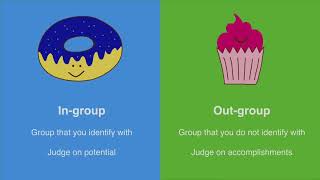 38mBeing a Cupcake in a Doughnut World: Understanding and Combating Bias
 39mUnconscious Bias' awareness for Diversity and Inclusion