Continuous Well-Architected: Beyond the Once-a-Lifecycle Review with SCORP

summary
SCORP sets up monthly CloudWatch → Confluence dashboard reviews that track specific metrics across Security Cost Operational Excellence Reliability and Performance, leading teams to fix a notifications service that drops latency from 25 seconds to 200–300 ms by switching Java Lambdas to NodeJS, to catch a misconfigured EventBridge rule that inflates cost and noisy CloudWatch metrics, and to iterate on Neptune-induced latency using provisioned concurrency API Gateway cache and finally caching. The process raises deploy frequency, finds orphaned ephemeral stacks, and enforces org guardrails.
AI-written summary · about
chapters (15)
- 0:00SCORP and team transformation
- 1:50Why Globalization Partners transformed
- 4:00Bounded contexts in cloud accounts
- 5:05Notifications workload journey
- 13:10Limitations of Well-Architected reviews
- 15:36SCORP and its five pillars
- 17:21Starting SCORP reviews
- 24:06Team meetings for workload health
- 25:51Monthly SCORP review meetings
- 28:17Location domain latency challenges
- 32:07Sustainability in serverless
- 33:12Impact on engineering practices
- 35:40Engineer testimonials and best practices
- 39:12Key takeaways from SCORP
- 40:14Closing remarks
related talks
 33mUnleashing the Gorillacorn - DevOps in Very Large Enterprises
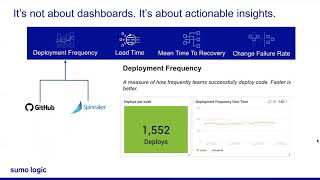 27mBenchmarking and Optimizing Software Delivery Performance
 31mEscaping operations hell
 13mLightning Talk: Observability-First DevSecOps: Building Resilient Multi-Cloud P...
 01h 02mTools for simplified large scale systems
 45mPerformance-by-Design: Embedding Intelligent Scaling and Guardrails Into Platform Engineering
 35mHow to Cloud Ops Like a Boss
 20mCloud Cost Management Updates