Designing for web 3
summary
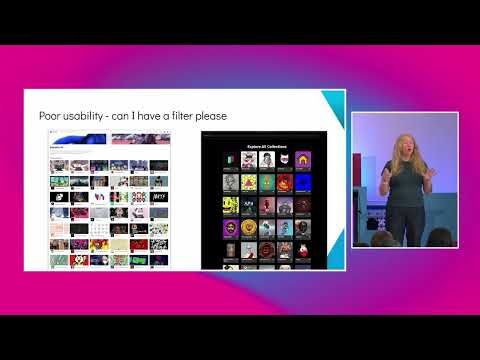
Web3 covers many distinct systems and designing for it means confronting concrete differences: wallets replace bank custody, transactions are public and irreversible, and scams exploit unfamiliar flows. Expect to simplify messy processes like a 28-step setup and educate users about irrevocable safety tools such as the 25-word recovery phrase. Show how money moves peer-to-peer, explain why transactions fail or don’t deliver items, and design guards against things like the Magic Eden copycat scam that trick users into approving asset drains.
AI-written summary · about
chapters (7)
- 0:00Introduction and welcome
- 1:07Web 3 fundamentals and differences
- 9:36Current UX challenges in web 3
- 15:18Mental models in web 3 design
- 23:05User risk tolerance and adoption
- 26:56Building trust and credibility
- 30:29Summary and future outlook
related talks
 48mDesigning for Web3
 26mDesign Paradigms in a Decentralized Future
 46mDefining Web3: How the World of Digital will Evolve
 20mUnlocking Web3: Bridging the UX Gap for Crypto-Newcomers
 37mHow do I Transition My Services from Web2 to Web3?
 36mWhat Will Web 3.0 Look Like?
 40mThe Lunacy of Web3
 29mOvercoming the Hurdles: Addressing Pain Points in Web3 Adoption