GDPR in practise - Developing models with transparency and privacy in mind
summary
Concrete steps for making GDPR compliance practical include anonymization at collection, automated data pipelines with CI to enable selective deletion and retraining, and dataset and model metadata that record exact parameters and external services used. Examples include removing unneeded identifiers on-device, choosing interpretable models over opaque neural nets when explanations are required, and running bias tests across subgroups. The talk claims these practices reduce work later and keep models auditable.
AI-written summary · about
chapters (18)
- 0:00Introduction
- 1:35Why developers should care about GDPR
- 3:49Common excuses for avoiding GDPR
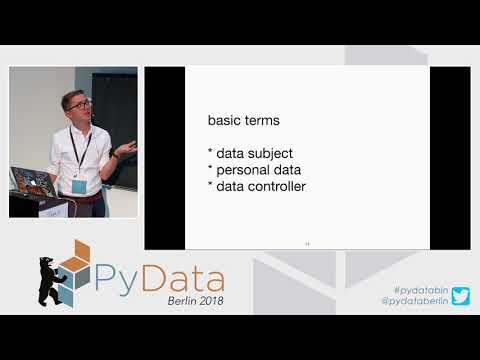
- 6:30Key GDPR terms
- 8:19Personal data scope under GDPR
- 10:59Profiling and automated decisions
- 12:50Consent and transparency
- 14:13Data anonymization
- 16:06Documenting datasets
- 18:39Documenting ML models
- 20:09Data pipeline transparency
- 21:38User rights and modifications
- 23:25Automating data processes
- 24:52Automation in PoC projects
- 25:57Prefer interpretable models
- 27:47Ethical bias testing
- 30:03Consulting domain experts
- 32:38Q&A
related talks
 01h 19mAligning Data Privacy and AI Governance
 33mMachine Learning in the age of increasing Data Privacy Consciousness
 48mGDPR Design for Websites, Apps and (Ro)Bots
 01h 20mUnlocking societal benefits of AI with privacy protective technologies.
 01h 00mPrivacy and GDPR: What all developers should know
 44mEmbedding GDPR into the SDLC
 10mPrivacy-Preserving Analytics on the Ground
 50mPrivacy by design