Free-to-play monetisation – Surviving past the loot box

summary
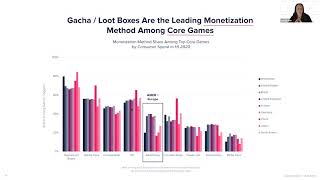
Industry revenue is projected to hit 51% mobile share and then a November backlash cuts about $3 billion from valuations, prompting policy shifts: Apple now requires odds disclosure by item type and China mandates per-item rates. Expect design pivots from randomized loot toward concrete systems—battle pass progression monetisation, subscriptions that boost drop odds or speed progression, cosmetic stores and competitive multiplayer—while blockchain resale faces regulatory and licensing hurdles that make it rare on mobile.
AI-written summary · about
chapters (15)
- 0:00Introduction
- 1:51Loot box controversy impact
- 3:18Regulatory responses
- 5:06Apple/China disclosure rules
- 6:58Shift to retention features
- 8:43New monetization predictions
- 11:54Battle Pass case study
- 13:30Fast-tracking progression
- 14:56Randomized monetization future
- 16:26Resale legal challenges
- 18:20Licensing gambling hurdles
- 20:20Multiplayer mobile competition
- 21:39Subscription rare item odds
- 22:41VIP subscription benefits
- 23:29Q&A
related talks
 30mSuperstar Session: How to Maximise the Game Economy With Ad Monetisation – Lexi Sydow
 17mThe future of gaming and global trends
 27mHow To Make A Successful Business Out Of Your Game
 28mSuperstar Session: Uncover Opportunities & Expand Your Portfolio by Understanding Gamer Preferences
 28mSuperstar Session: How to Maximise the Game Economy With Ad Monetisation – Ron Thomas
 24mSession: State of the Gaming Industry
 15mState of Mobile Gaming 2023
 16mGameplay Comes First – The New Era For Global Mobile Gaming