The Challenges & Advantages of Creating a Game Remotely

summary
Teams report running fully distributed studios, with examples like 43-, 100+- and 80–100-person design groups, and a publisher that ships five or six games a year while hiring more than ever. Remote work forces outcome‑focused management, heavy overcommunication, and visible leadership; tools that actually change collaboration include Slack drawing in calls, shared Google whiteboards and mob programming, plus rituals like weekly game jam to onboard faster (moving effective ramp from months to weeks) and leveraging time zones for continuous feedback.
AI-written summary · about
chapters (7)
- 0:00Introduction
- 8:41Remote work challenges
- 17:44Remote onboarding
- 25:48Remote company culture
- 33:34Work-life balance
- 41:24Remote creative collaboration
- 46:41Future of remote work
related talks
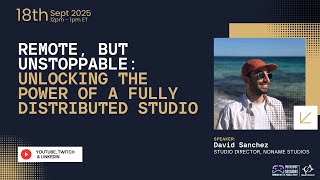 59mRemote, but Unstoppable: Unlocking the Power of a Fully Distributed Studio
 26mCreating Space for Remote Work
 37mBuilding & Scaling Distributed Teams
 55mWorking Distributed - How Does It Even Work?
 57mLessons from {distributed,remote,virtual} communities and companies
 13mManaging Remote Teams
 50mScaling Teams Through Remote Work
 36mWorking Effectively Across Space-Time