Avoiding Microservice Megadisasters

summary
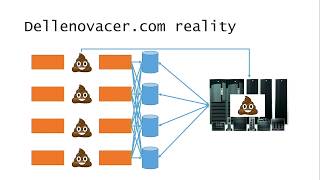
After an 18‑month rewrite the site stalls because a single page request triggers 200 external calls (thousands in total), WCF calls exceed SLAs and network is saturated so page load reaches 9.5 minutes. Post‑mortem uses Wireshark and probability math to find cascading hops and miscomputed SLAs. Team builds a local document database for search, ingests SOAP dumps, file exports and DB triggers, adds circuit breakers, and reduces latency to seconds — solution works.
AI-written summary · about
chapters (18)
- 0:00Intro
- 0:46Bell Computers
- 6:06Netflix-oriented architecture
- 6:21Core principles No data duplication
- 11:29Doing the math
- 13:38They're called "fallacies"
- 14:52How Not to Do It (MS Style)
- 17:36Traditional n-tier
- 17:51Areas of Responsibility
- 18:53what is a Service? Software that is...
- 19:52what is a Microservice?
- 20:18what is a Bounded Context?
- 24:33Data ownership
- 26:30Service Dependency Inversion
- 28:50Catalog
- 31:00Pricing
- 33:03Localization
- 43:05Avoiding Microservice Megadisasters
related talks
 42mAvoiding Microservice Megadisaster
 51mAvoiding Microservice Megadisasters
 42mArchitecting for Failures in Microservices
 41m.NET Microservices in Real Life
 51mBuilding Fault Tolerant Microservices
 22mMicroservices Highway to hell
 26mFighting the Good Fight at the Hot Gates of Micro-Services
 38mHow We Almost Failed with Microservices