Crisis Collaboration and Innovation in Haiti

summary
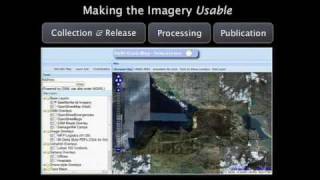
After the January 12 Haiti quake an ad hoc information system centered on project 4636 and SMS channels processes thousands of texts: 43 international USAR teams, ~1,600 rescuers, and at least 122 documented live rescues (U.S. teams find 42). InSTEDD boots on the ground at 60 hours enable translation, geolocation and dispatch but face high carrier costs, short code bureaucracy, map–database–medical interoperability gaps, and unresolved transparency versus privacy tradeoffs; cloud storage and exit strategies are recommended.
AI-written summary · about
chapters (4)
- 0:00Start
- 3:34Policy guidelines for the use of cloud computing in disasters
- 5:09Transparency vs. Privacy
- 6:48Human Interoperability
related talks
 15mHaiti: CrisisMapping...
 06mCrowdsourcing the Impossible: Ushahidi-Haiti
 05mCrisis Mapping
 01h 06mInformation saves lives
 15mGlobal Engagement Starts at Home
 06mCrisis Communication 2.0 - Real-time Civilian Protection
 34mReach More People: SMS Data Collection with RapidPro
 10mCommunity Information Sharing and a Low-Cost Operable Web Hazard Map System