Making your conferences more memorable with Sketchnoting
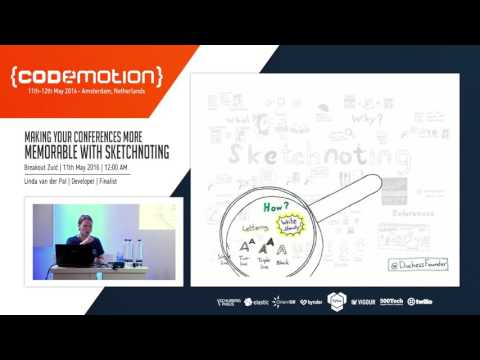
summary
Claim: adding simple drawings to handwritten notes measurably boosts memory and focus because motor skills plus imagery create more neural links. Uses cheap markers or pen and paper (iPad optional), five basic shapes, and common lettering tricks. Two practical workflows: real-time sketchnotes or a two-stage rough-then-polish approach. A two-column linear layout fits a one-hour talk on A5 and practice at ~8–10 conferences a year shows rapid improvement. References include the Sketchnote Handbook.
AI-written summary · about
chapters (14)
- 0:00Introduction to Sketchnoting
- 1:56Why use sketchnotes
- 3:23Everyone can draw basics
- 6:15Tools for sketchnoting
- 8:41Lettering techniques
- 10:28Structures for notes
- 12:57Real-time vs two-stage
- 14:22Practice and progression
- 15:47Recommended resources
- 17:15Sketchnote examples
- 21:29Practice exercises
- 28:07Sharing sketchnotes
- 29:47Growing sketchnote community
- 33:14Sketchnotes vs art
related talks
 01mComo um developer inicia um processo de desenvolvimento criativo
 40mThe Creative Technologist
 59mMastering Technical Presentations By Example
 50mTransform Your Presentation Skills
 42mHow to give a good talk
 30mA Talk about Talking : Making a Memorable Presentation
 24mTelling your Story: Speaking for Non-Speakers
 41mSketchbooks Over Spreadsheets: Designers As Leaders In A Complex World