Rewrite, Rework or Refactor
summary
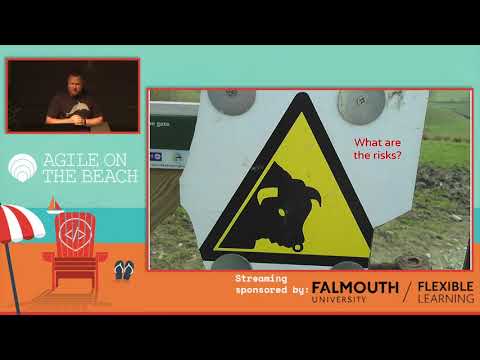
A 5‑year rewrite delivers only 30–40% of required functionality and an 18‑month rewrite can stretch into seven years, so the concrete alternatives are important: get the system under tests using techniques from Working Effectively with Legacy Code, spend 50% of rewrite effort on refactor and continuous delivery improvements from Accelerate, remove unused features, separate the UI, and apply the strangler fig pattern or scoped reengineering to produce an MVP that actually delivers value.
AI-written summary · about
chapters (30)
- 0:00Introduction
- 0:18The Code Cleaner
- 1:37Redgate
- 2:27Rewrite
- 4:51Legacy Software
- 5:12Options
- 5:54Joel Spolsky
- 7:12George Santayana
- 8:47Conways Law
- 9:35Accidental Complexity
- 12:32Genius
- 12:59Batch size
- 14:38Gifting
- 15:10Risks
- 18:30Thought Experiment
- 19:22Continuous Delivery
- 19:44Focus on Technical Excellence
- 20:01Architecture Drives IT Performance
- 20:22Working Effectively with Legacy Code
- 22:11Refactoring for Understanding
- 23:08Cognitive Chunks
- 25:11Creative Destruction
- 26:36Microservices
- 27:13Why rewrite
- 27:46Reasons to rewrite
- 30:49How to rewrite
- 31:39Strangler pattern
- 32:06Significant effort
- 32:41Case studies
- 33:13Summary
related talks
 51mTo Re-write Or Not To Re-write
 36mHow to sell a big refactor or rewrite to the business?
 01h 17mRefactoring the ROI of Software
 40mHow to sell a big refactor or rewrite to the business?
 01h 29mAlchemical Code Rejuvenation
 01h 12mLegacy Refactoring
 23mRefactoring Go in Large Codebases
 01h 07mRewriting 15-Year-Old Code