From IoT to Mobile: Oniro’s Technical Journey Toward Digital Independence

summary
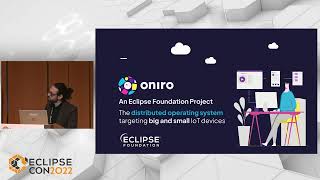
Oniro positions itself as a European, open-source mobile-and-IoT platform built from OpenHarmony (hundreds of products, thousands of committers, millions of lines of code) and managed via Eclipse Foundation governance. It ships a Oniro VS Code extension (SDK, emulator integration, build/deploy, log filtering), a QEMU emulator brought up with a Yocto meta layer, Mesa drivers and KVM accel (x86 CI-friendly), Raspberry Pi and mobile bring-up with an adaptation layer that translates Android drivers — practical workaround that works today while binary blobs remain a privacy risk.
AI-written summary · about
chapters (10)
- 0:00Introduction to Oniro
- 1:56Oniro’s mission and foundation
- 3:04Removing barriers for developers
- 4:07Onir IDE for open harmony
- 5:12Onir emulator for testing
- 6:38Expanding hardware support
- 7:43Challenges with proprietary drivers
- 9:30Advantages of Oniro’s platform
- 10:53Building the app ecosystem
- 12:17Future plans and community
related talks
 32mOniro: How an Open Source Project can revolutionize IoT market/industry
 34mOniro, and how to build a production oriented, open source, reference OS for IoT devices in no time
 25mImplementing IoT Architectures with Open Source Software
 45mOpen Source, IoT, and the Big Monster
 54mImplementing IoT Architectures with Open Source
 01h 02mEclipse IoT: State of the Union
 49mIndustrial IoT with Eclipse Foundation Projects
 32mBuilding an Open Framework for Cloud Based IoT Solutions