Oniro: How an Open Source Project can revolutionize IoT market/industry
summary
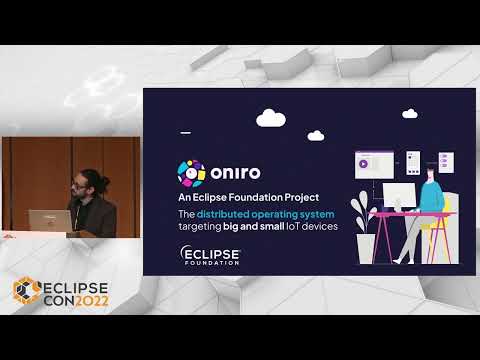
Oniro claims to reduce IoT fragmentation with a vendor-neutral, Eclipse-hosted codebase launched Oct 2021 that targets Linux and Zephyr devices, supports Yocto BSPs, and bundles sysota + Eclipse HawkBit for OTA updates. The project provides CI/CD, LAVA testing, IP checks, and three reference industrial boards plus virtual targets; maintainers report faster time-to-market and production-ready OS work aiming at a first release this year. It exposes device capabilities for edge orchestration and third-party apps as Eclipse-hosted Oniro and Yocto + Zephyr support.
AI-written summary · about
chapters (13)
- 0:00Oniro and IoT fragmentation
- 2:12IoT fragmentation challenges
- 4:40Why IoT fragmentation unsustainable
- 7:17Oniro project solutions
- 12:48Oniro technical foundation
- 15:18OTA updates and security
- 17:25AI and device interoperability
- 19:34Standards compliance
- 21:22CI/CD and IP compliance
- 22:51Oniro open-source benefits
- 24:42Reference hardware blueprints
- 28:01Device maker business impact
- 31:14Call to action
related talks
 15mFrom IoT to Mobile: Oniro’s Technical Journey Toward Digital Independence
 43mThe Oniro Platform: An Open Source Operating System Platform
 30mEclipse Oniro: A production OS
 39mZephyr Project: Unlocking IoT Innovation with an Open Source RTOS
 14mOpen, connected and compliant. How Oniro builds seamless global smart ecosystems
 39mZephyr Project: Unlocking IoT Innovation with an Open Source RTOS
 50mZephyr Project: An RTOS to Change the Face of IoT
 25mImplementing IoT Architectures with Open Source Software