Direct-To-Consumer In Games: Promise vs. Reality
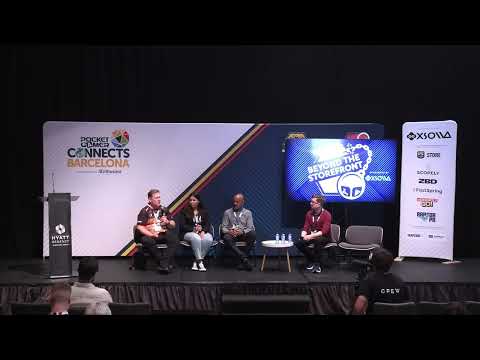
summary
Platforms no longer hand developers a simple 30% saving: bypassing stores still incurs 3–7% payment fees plus taxes, compliance and discovery costs, and Google’s Epic settlement effectively fixes ~20%‑style deals. Successful D2C builds use merchant‑of‑record partners, localized payments (LATAM prefers PIX), and new channels (Telegram, WhatsApp, Discord) to own data and community. Expect early targets of 15–20% D2C share for small studios while larger groups push toward higher splits; Playa cites $1.2bn D2C run rate.
AI-written summary · about
chapters (12)
- 0:00Direct-to-consumer in games
- 1:06Panelist introductions
- 3:10Regulatory landscape for app stores
- 8:22Regional payment and compliance rules
- 14:23Epic Games vs Google Play settlement
- 17:57EU App Store regulations
- 21:09Revenue share and platform incentives
- 25:30D2C revenue growth benchmarks
- 29:55Hidden costs of D2C
- 30:38Player engagement channels
- 33:46Building community early
- 35:56Closing remarks and Q&A
related talks
 32mState Of The Union: The Future Of D2C In Mobile Gaming
 21mThe D2C Iceberg: How top Games hit Record Profits Despite the ATT Crash (And how you can Too).
 19mUnlocking D2C Growth: Embedded Payments + Reward-Driven Incentives
 47mBe rational. Stop paying Apple & Google 30% of your revenue
 19mSurprising Drivers For D2C Adoption & Success
 45mPublishers in the Age of F2P: Can It Actually Work?
 43mThe future of games publishing
 15mThe 'Rami Ismail market overview' - Insights on what devs should expect