The Modern Trolley Problem - Responsible AI Principles

summary
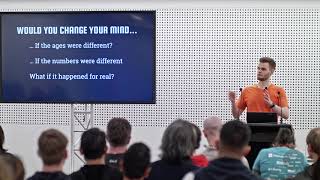
Demonstrates training an object‑detection model with Azure Custom Vision and deploying it to an Azure Percept edge device, noting a working prototype trained with just 15 images (production needs thousands). Recounts Uber AV case where the car spots a pedestrian 6 seconds out but hands control to the human and the driver notices 1 second before impact, highlighting emergency‑brake policy and legal responsibility resting with the human. Builds a LEGO robot that mostly avoids cones and figures but mislabels a real dog as a Lego person, exposing dataset and safety gaps.
AI-written summary · about
chapters (27)
- 0:00Introduction
- 2:11Trolley problem
- 5:22Autonomous vehicles ethics
- 10:05AI in warfare ethics
- 12:36Uber incident analysis
- 14:49Driver responsibility
- 16:36Cultural challenges in cars
- 18:22Self-driving cars definition
- 20:05Waymo protests
- 21:51Microsoft responsible AI
- 23:17Human parity in AI
- 26:31Blame in AI systems
- 27:33Azure Face service
- 31:53Microsoft AI principles
- 32:15Fairness in AI
- 34:42Vehicle dilemma
- 35:23Reliability in AI
- 36:06Asimov's laws
- 37:51Fault in collisions
- 39:18Custom Vision demo
- 43:35Azure Custom Vision
- 48:59Privacy in AI
- 51:11Inclusiveness in AI
- 52:16Transparency in AI
- 54:05Lego robot demo
- 57:01Accountability in AI
- 58:28Key takeaways and resources
related talks
 58mThe Modern Trolley Problem - Responsible AI Principles
 01h 04mThe Modern Trolley Problem - Responsible AI Principles
 01h 02mThe Modern Trolley Problem - Responsible AI Principals
 01h 03mThe Ethical Dilemma of AI: Save the World or Forsake It?
 15mUtility vs Sanctity: Designing an ethically acceptable AI
 19mAI Trends in Intelligent Transport Systems
 16mOn the ethical challenges raised by robots powered by AI
 31mAvoid mistakes building AI products