AI and Geospatial Analysis. What has changed?
summary
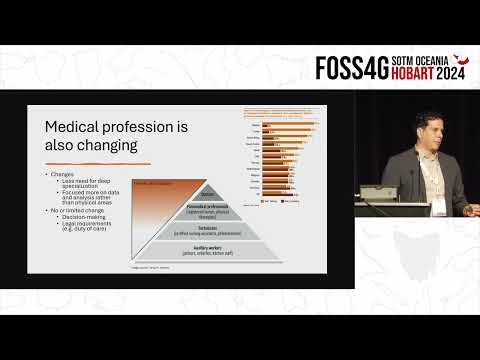
Argues that the real break is generative AI producing text, images and audio and reducing the need for explicit code, with tools like ChatGPT and Google's Notebook LM already automating hours of legal research and junior lawyer work. Shows deep learning and photogrammetry automations in GIS and QGIS scripting speed up map creation but do not yet displace expert judgment. Notes medicine sees AI replacing top-tier tasks (robotic surgery), cites trust differences (roughly 50% in rich countries vs 95% in some African settings), and urges the geospatial community to shape ethical use.
AI-written summary · about
chapters (13)
- 0:00Introduction and context
- 1:50What has changed in AI
- 3:38Generative AI and geospatial analysis
- 8:14AI disruption in legal sector
- 11:45AI adoption and task complexity
- 14:12AI in medicine vs geospatial
- 16:04Audience experiences with AI
- 18:14Future of AI in geospatial
- 20:44AI as a tool, not replacement
- 22:30Investment and ethical AI
- 23:55AI's objective and non-objective tasks
- 24:59Shaping AI for geospatial ethics
- 25:21Q&A: AI biases in algorithms
related talks
 46mAI for Legal : The story of hype, adoption and what comes next
 28mEthical AI?!
 22mGenerative AI: Opportunities for the New Age of AI
 41mThe AI boom: what and why?
 32mPanel Discussion: Trends in Generative AI
 53mSome Implications for the use of Gen AI in courts
 32mHow generative AI is Changing the way people interact with computers
 01h 14mLatest trends in AI