Things That A Human Brain Has A Hard Time Thinking About

summary
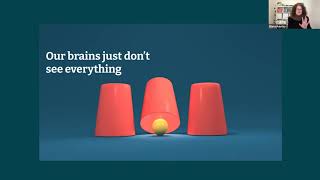
Project applies neuroscience to nuclear decision protocols, training minds to notice rare threats by planting dummy suitcases in TSA x‑ray flows and running a VR presidential crisis where 190 of 200 participants—many experts—choose to launch within five minutes. Core claims: humans under time pressure default to act, not wait; a simple protocol change—removing forced rapid response—reduces erroneous launches. Work moves from papers to concrete protocol edits and policy briefings; funding was initially rejected then reopened.
AI-written summary · about
chapters (9)
- 0:00Brain’s blind spots
- 1:14Nobel laureates to nuclear fears
- 4:01Training brains for unimaginable
- 6:48Grant rejection to nuclear protocols
- 8:55Human flaws in nuclear crises
- 13:45Normalizing nuclear war threats
- 16:33VR bias in nuclear decisions
- 19:19Call for protocol reform
- 22:45Einstein’s warning on humanity
related talks
 27mMind Over Malware: Reducing Decision Fatigue in Incident Response Teams
 40mOne 1st Responder to Another - Lessons on Managing Stress from the Trenches
 51mHack in your sleep
 33mDealing With Uncertainty: Scenario Planning for Cybersecurity Decision-Making
 40mOptimistic Security
 31mThe psychology of security: Why we make mistakes
 30mShall We Play a Game?
 53mOptimistic Security