Quintessence Anx Sensory Friendly Monitoring Keeping the Noise Down

summary
Alerts cost about 25 minutes of focus per interruption (UC Irvine) and cause measurable quality loss like a half‑point drop on graded essays (George Mason), so the goal is fewer false positives and actionable routing. Route infrastructure alerts only to people who can act, send noncritical items to a dedicated Slack channel or ticket queue, set paging thresholds so only true incidents wake the phone, iterate alert cleanup each sprint, and abstract notification endpoints (env vars or single config) so you can swap services after events like a three‑hour Slack outage.
AI-written summary · about
chapters (9)
- 0:00Introduction and welcome
- 1:02Why noise is overwhelming
- 2:48Impact of interruptions on focus
- 8:01Identifying sources of noise
- 12:01Managing infrastructure alerts
- 17:28Balancing alert volume and reliability
- 20:22Q&A on alert workflows
- 22:11Handling walk-ups and boundaries
- 24:15Q&A on alert abstraction
related talks
 06mSensory Friendly Monitoring
 27mDigital Well-Being: If you need to resort to alert fatigue, you’re designing it wrong.
 46mUX, Psychology, and the Power of 100
 09mDesigning for All: Accessibility Considerations in Remote Health Monitoring
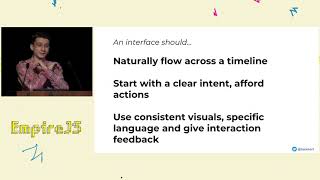 13m404 Fire Alarm Not Found
 05mFlying Blind - Accessibility in Monitoring
 56mCreating Accessible Notifications, Alerts and Other Asynchronous Elements
 09m"A Case for an Edge Case"