Digital Well-Being: If you need to resort to alert fatigue, you’re designing it wrong.
summary
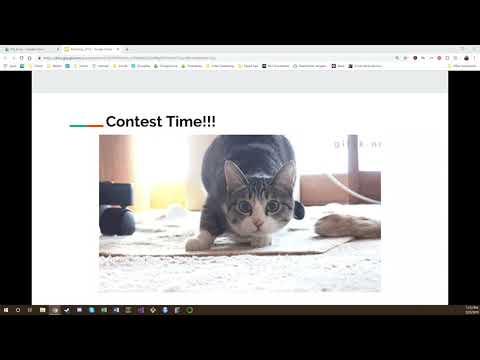
Claims that alert fatigue desensitizes users and harms mental health are tied to concrete examples: a campus false alarm that sends 45 notifications in 2.5 hours, JIRA spamming ticket updates until inboxes and watches vibrate, Facebook’s notification-driven engagement vs its all caught up feature, Slack’s decision tree and thread-based notifications, and OS-level screen‑time/combined‑notification controls. Recommendations include per‑app sane defaults, timezone and batching logic, emergency‑bypass rules, and letting notifications be meaningful.
AI-written summary · about
chapters (10)
- 0:00Introduction to digital wellness
- 1:51Engagement vs user well-being
- 3:14Alert fatigue in daily life
- 6:50Demo of notification overload
- 9:42OS-level digital wellness tools
- 11:29Apps should fix notifications
- 13:14Slack’s smart notification logic
- 14:17Facebook’s wellness improvements
- 15:41Designing for user wellness
- 16:46Q&A starts
related talks
 20mNotifications: Challenges and Possible Solutions
 43mAnnoying notifications don't attract crowds ...
 06mSensory Friendly Monitoring
 25mCreate with conscience: healthier tech for a digitally distracted world
 26mQuintessence Anx Sensory Friendly Monitoring Keeping the Noise Down
 50mDigital Detox by Design: Crafting Interfaces That Feel Human
 27mEthical Design: the design we as consumers & developers should care about
 12mLightning Talk: Mobile Addiction