Synthetic environment, the Internet of the next decade

summary
Argues that commodity game engines, cloud GPUs and AI let synthetic environments scale from dozens to two million entities by using cloud-based dynamic load balancing; demonstrates a LiDAR-based model of London with a simulated cyberattack on power hubs that triggers outages, social-media-driven unrest and crowd movement to Trafalgar Square. Reuses commercial pilot-training data — over one million hours of pilot training — to build automated assessment and autonomous VR instructors. The London demo runs as a technical proof of concept.
AI-written summary · about
chapters (13)
- 0:00Introduction
- 0:48About CAE
- 2:11Content
- 5:16Open competition
- 7:32Typical innovation
- 9:36How to make groundbreaking innovations
- 10:21CAE example
- 13:05Synthetic environment
- 16:20Whats changed
- 17:45Cloudbased load balancing
- 20:09Peak of the iceberg
- 22:58Future scenarios
- 25:52Conclusion
related talks
 23mFrom Gaming to the Metaverse
 01h 00mA Future City
 42mThe Importance of Open Simulators and AI in a Changing Mobility Landscape
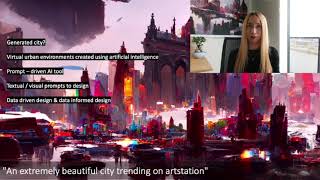 09mGenerated Cities and Architecture
 27mGenerative AI and IoT, is there a match?
 26mThe Digital Self, Community, Society and Beyond
 01h 01mThe World is Your Canvas: Building 3D Global-Scale Real or Imaginary Worlds
 35mPanel: To Infinity & Beyond: Where Will Technology Take us Next?