Biomimicry and Cybersecurity: Learning from 3 Billion Years…

summary
Explains how biological defense strategies—like adaptive immunity, camouflage, decentralization and coevolution—can inspire cybersecurity designs. Describes three biomimicry levels (imitating forms, processes, and ecosystems) and argues for shifting from rigid perimeters to adaptive, ecosystem-style defenses that learn and evolve.
AI-written summary · about
chapters (10)
- 0:00Introduction
- 4:26Biomimicry in cybersecurity
- 7:58Shape biomimicry: digital camouflage
- 11:11Honeypot strategy in cyber
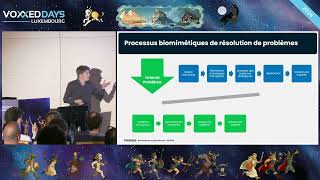
- 16:29Process biomimicry: Mimosa Pudica
- 18:58Organizational: meerkat sentinels
- 22:32Adaptive immunity and genetic algorithms
- 34:29Mycorrhizal network: underground cooperation
- 38:48Summary
- 42:28Q&A
related talks
 50mBiomimicry and Cybersecurity: Borrowing 3 Billion Years of Evolution to Better Protect Ourselves
 45mBiomimicry and Cybersecurity: Learning from 3 billion years of evolution
 27mAdapting Defense to New Threats
 32mLessons Learned Developing an AI Cyber Immune System: The Good, Bad & Ugly
 59mCybersecurity as an ecosystem
 46mPerforming Like a Cybersecurity Champion
 20mGetting Ahead of Cybercrime
 01h 11mNew Technologies in Cybersecurity