Leading at the edge: FIDO and the normalization of cryptography

summary
Argues that FIDO has turned consumer devices into a standardized cryptographic stack spanning cloud to edge, using secure enclave hardware (Infineon co‑processors, TPMs, Azure Sphere, SIM/EMV chips) to keep private keys on‑chip and produce persistent digital signatures; shows verifiable credentials act like x509 certificates for people and things and proposes signed photos, car part warranties, and smart RFID supply‑chain tags; notes smartphones now embed more cryptography than NSA had in 1999 and that this chain of trust makes data a testable authenticity layer.
AI-written summary · about
chapters (9)
- 0:00Introduction to FIDO
- 1:06FIDO's role in cryptography
- 3:14Smartphone cryptography revolution
- 5:21Hardware security properties
- 7:31Digital signatures and trust
- 9:56Verifiable credentials in IoT
- 12:25Data as a utility and infrastructure
- 17:23FIDO's ecosystem and standards
- 19:49Future of cryptographic wallets
related talks
 48mFIDO standards for automotive use cases
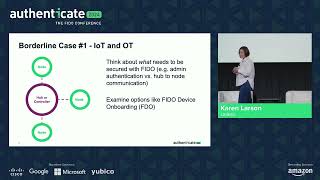 23mBorderline: Examining the edge cases of FIDO
 32mSecuring Online Identities with Simple, Secure, Open Standards
 23mEnhancing FIDO2 Security for Safety-Critical Applications: Best Practices and Consid...
 23mWeb 3.0 Before It Was Cool: Why Decentralized Authentication is the Future and the Past
 26mA Sign of the Times: The Transition to Quantum Secure Authentication
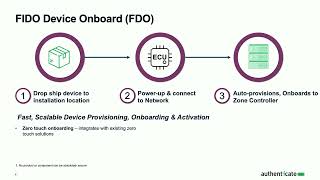 25mFIDO Automotive applications
 38mBreaking FIDO: Are Exploits in There?