Building AI Fluency: Leading Teams Through the Learning Curve

summary
Argues that AI fluency is judgment not tools and introduces the PATH framework: Psychological safety, Adopt gradually, Teach through champions, Harmonize practices. Recommends phased rollout—observer / assistant / integrated phases—with 3–6 months for the J‑curve, examples from Zapier and SpotAI, and concrete safeguards: review all AI‑generated code, require AI attribution in PRs, run AI SQL against test DBs, and add verification tests for refactors. Notes common failures: hallucinated APIs, AI-only reviews, and runaway technical debt.
AI-written summary · about
chapters (23)
- 0:00AI fluency in teams
- 2:13Why AI fluency matters
- 5:05Review AI generated code
- 7:32AI code dangers
- 9:16Build AI judgment
- 10:58Human fears in AI
- 13:47PATH framework for AI
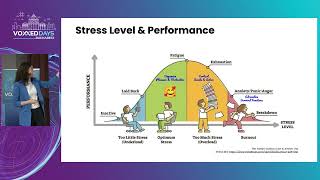
- 14:52Psychological safety first
- 15:54Gradual AI adoption
- 17:18Unexpected champions teach AI
- 18:20Freedom versus control in AI
- 19:02Safety with AI fails
- 21:34AI adoption phases
- 25:05Champions beyond engineering
- 28:37Balancing freedom and standards
- 32:03Measuring AI fluency success
- 34:32Key takeaways for leaders
- 36:58Closing and call to action
- 37:20Q&A on AI adoption
- 39:06Embed AI literacy everywhere
- 40:09Train in responsible AI
- 41:54Delivery speed with AI
- 43:18Collaborate across AI levels
related talks
 47mEngineering Leadership in the Age of AI
 24mBuilding High Trust Teams in an AI Enabled Engineering Org
 11mSuccessful AI adoption
 29mThe AI Teammate Is Here — Now What?
 46mMaking AI Adoption Work: A Practical Structure for Modern Software Development
 53mThe Human Side of AI: Unlocking Opportunity in the New Bottlenecks of Software Development
 29mLearning in the AI Era | Future of Software Development
 24mAI as a Teammate: Redefining Agile for Human–AI Collaboration