AI for Accessibility: Empowering Inclusive Digital Experiences
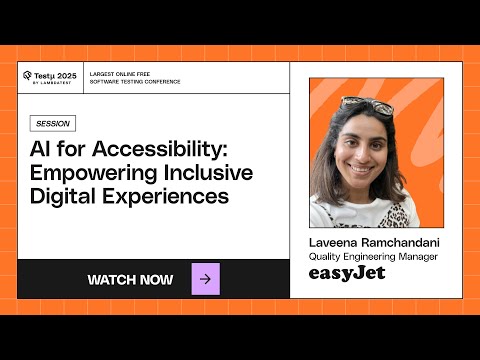
summary
AI can automatically flag missing alt text, bad contrast and navigation barriers and plug into CI pipelines using tools like axe and Accessibility Insights; automated alt‑text and intelligent screen readers (examples: JAWS, NVDA, VoiceOver) already exist and major vendors — Facebook, Microsoft, Google — ship working features such as automated image descriptions and Live Transcribe. The EU Accessibility Act reaches full implementation in 2025, AI audits gained traction in 2023, and case studies report significant reductions in accessibility defects when human oversight pairs with automated checks.
AI-written summary · about
chapters (9)
- 0:00Welcome to AI accessibility
- 3:20Inclusive design importance
- 6:09EU Accessibility Act requirements
- 8:42AI in accessibility applications
- 15:47AI for accessibility testing
- 18:35Ethical biases in AI accessibility
- 22:06AI integration strategies
- 23:33Key takeaways
- 24:13Q&A
related talks
 55mBridging the Digital Divide: Empowering Accessibility Through AI Innovations
 32mAI in digital accessibility: challenges, benefits and risks
 49mUsing AI to Streamline Inclusive Design Without Losing Humanity
 50mAI as an A11y Ally
 01h 00mAI and alt text
 40mMicrosoft AI for Inclusion and Innovation
 33mAccessibility needs to be the future of better technology
 34mAI and Accessibility: the Good, the Bad, and the Bollocks