MicroPython Energy Monitoring
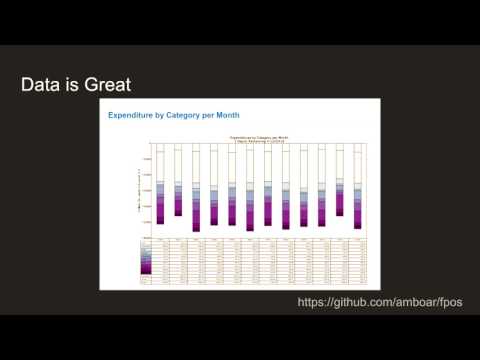
summary
Australia uses about 900 PJ (≈250 TWh) yearly and household bills hide timing so a DIY meter helps. Uses an ESP8266/ESP32 running MicroPython/CircuitPython on Adafruit Huzzah and Lopy-style boards, an ADC plus a voltage transformer and a clamp-on CT to sample voltage×current and publish via MQTT/HTTP. Built a persistent room-temperature logger running a year; meter prototype reads mains pulses and per-second power but hit library and pin-mapping issues; cheap clamp is ~5% error whereas metering shunts or premium clamps reach ~0.5%.
AI-written summary · about
chapters (16)
- 0:00Introduction
- 0:50Background
- 2:15Energy Australia
- 5:02South Australia Storm
- 6:16Tesla
- 7:04What can I do
- 9:14Internet of Things
- 10:05Recording Data
- 14:23Energy Monitoring Kits
- 16:19CircuitPython
- 20:59Testing
- 23:12Other options
- 24:39Perth startup
- 25:29Zigbee
- 27:21Clamps
- 28:04Accuracy
related talks
 34mUsing Python to enter the world of Microcontrollers
 39mPython and IoT: From Chips and Bits to Data Science
 46mProgramming the Web of Things with Python and MicroPython
 06mBFree: Enabling Battery-free Sensor Prototyping with Python
 40mHow to Use Python to Better Understand the Impact of Electricity Pricing on Consumption
 41mBuilding Wireless Sensors
 44mBuilding a self-watering plant using Micropython on a WiFi-enabled Arduino ESP8266
 31mHow Python is supporting Australia’s energy transition to 100% renewable