Can they really do that? - You'll be amazed at what skills our future coders will bring to your team

summary
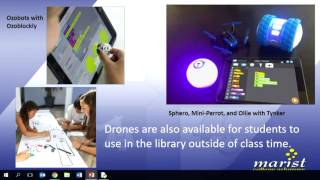
Australia now mandates digital technologies from kindergarten through year 10 with mandatory general‑purpose programming in years 7–8, and classrooms use project‑based sequences that move students from Scratch/ScratchJr to HTML, Python and physical computing. Schools adopt micro:bit, Raspberry Pi, MakeCode, Minecraft Education, Beebots, Ozobot and Cubetto; Code Club provides ~120 hours of open projects and a student built Pixel Tanks Python game that won a national challenge. Community help is practical: mentor, donate kits, or run workshops — 20,000 students registered for the current Moonhack.
AI-written summary · about
chapters (10)
- 0:00Introduction to code club
- 2:17Three types of users
- 5:41The national curriculum
- 10:28Primary school learning
- 19:04High school development
- 22:50Learning through projects
- 26:34Coding languages and tools
- 33:28Physical computing gadgets
- 36:36Industry collaboration
- 41:00Q&A and conclusion
related talks
 23mWhy do kids need to code and how can we help?
 30mIntegrating Python within a School Context
 40mFuture Skills - How to Foster IT Creativity
 09mAn Introduction to Code Club
 35mTeaching kids to code 2.0
 46mPython For Every Child In Australia
 40mIt's All About Coding
 12mRaising next generation of passionate coders