Modelling “Race”: Human diversity in character design and movement

summary
Argument: anatomy-driven decisions change whether characters read as respectful build skeleton then muscles — used dissection, CT scans, animal biomechanists and comparative skull measurements to alter faces, gait and proportions in Lion King, Tarzan, Dinosaur, Pocahontas, Mulan and Strange World. Practical fixes include add mammal facial muscles to dinosaurs so they emote, animators practicing knuckle-walking for Tarzan, and adjusting head breadth by measure skull profiles front-to-back vs side-to-side. Outcomes: designs become readable and less caricatured, but required producer battles, new rigging and occasional compromises for marketability.
AI-written summary · about
chapters (8)
- 0:00Introduction
- 8:49Juvenile proportions
- 15:56Gender differences
- 25:28Race as social construct
- 32:01Caricature vs character
- 42:17Asian features in Mulan
- 51:50Diversity in Strange World
- 57:32Q&A
related talks
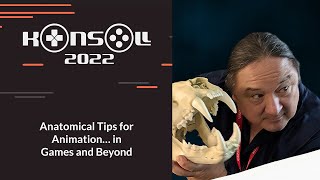 01h 08mAnatomical Tips for Animation...in Games and Beyond
 13mCreating Characters Based on Ethnic Dysphoria
 13mWhy Animation Is the Most Crucial Aspect of Games, Yet It's Neglected
 11mMicrotalk - The Past, Present & Future of Representation in Games
 10mValues Driven Game Development in AAA Games
 28mMade out of Meat: Human Corporeality in Games
 23mTechnical Animation Challenges on Mobile Titles
 55mCharacter Animation tips and tricks