The Path to Open Government: The Pillars of Gov 2.0
summary
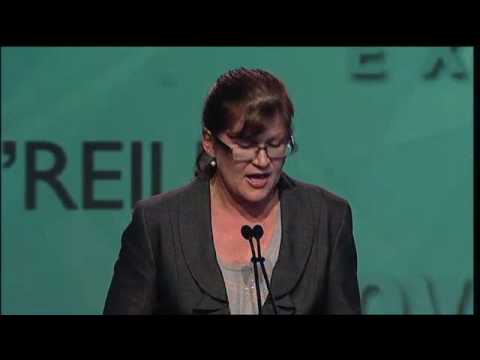
Argues Gov 2.0 rests on three concrete pillars: democratizing data, citizen-centric services, participatory democracy. Gives specific policies and tools: a National Broadband Network and digital education rollout to close the divide, amendments to the Freedom of Information Act and a new Information Commissioner to enforce a pro‑disclosure default, an online Gov 2.0 showcase, ICT procurement reform and an ICT supplier advocate, and moving parliamentary content to a Creative Commons by attribution license.
AI-written summary · about
chapters (9)
- 0:00Introduction
- 1:12democratising data
- 1:59citizencentric services
- 2:49participatory government
- 3:43great endeavors
- 4:25Gov 20 agenda
- 4:58Open government
- 8:40Community
- 9:06Conclusion
related talks
 01h 09mMaking Government 2.0 a Reality: A Citizen's Guide to Essential Reforms
 17mEllen Miller interviewed at Gov 2.0 Summit 2010
 21mKeynote - 'Open' as a Disruptor for Government
 16mWhere Next for Openness?
 20mKeynote: Digital Commons for Common Good: Exploring Common Building Blocks with LFE
 01h 02mTowards a More Open
 05mBringing Open Source into the Digital Check for New Legislation
 48mPanel Discussion: How Stakeholders Across Government, Enterprise, & Civil Society can Accelerate Open Source for Good!