Building Resilience:UX Strategies for Crisis-Responsive Tech
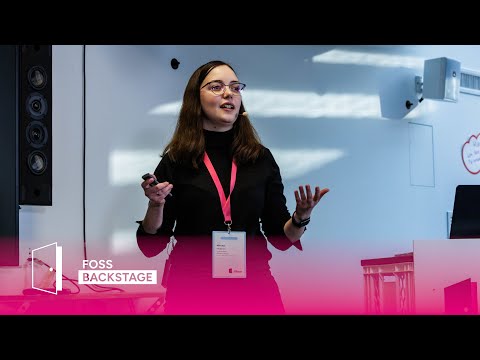
summary
Commit Global claims its open‑source humanitarian stack serves 18 million people in 2022 and it builds modular tools that deploy Doom MOA as a single entry point linking a legal guidance module for refugees, a women’s health flow, CMS for rapid updates, and a form builder for data collection; a volunteer task force spins up full deployments in less than 48 hours, and a shelter management component is live for NGOs in Mexico — designed for low literacy, offline resilience, and secure-by-design failure modes.
AI-written summary · about
chapters (12)
- 0:00Introduction to crisis tech
- 1:47Human-centric design in crises
- 3:38Modular tech for adaptability
- 6:52Bias for action in solutions
- 8:20Humanitarian principles guide
- 10:10Safeguarding vulnerable users
- 11:17Trust and secure design
- 12:44Designing for failure
- 13:47Adapting to changing needs
- 15:15Low literacy accessibility
- 16:20Empowering users with tools
- 17:01Open source collaboration challenges
related talks
 44mDesign in Crisis
 56mUX research and Ethnographic design for humanitarian technology
 51mUX research and ethnographic design for humanitarian technology
 37mUX research and Ethnographic design for humanitarian technology
 30mAin’t None of Y’all Safe!: Achieving Social Justice in digital spaces
 22mDesigning for the overlooked user we all become
 35mDesigning for Good
 35mDesigning for Trust