From chroot to Docker, Podman, and now Wasm modules: 40 years of container evolution
summary
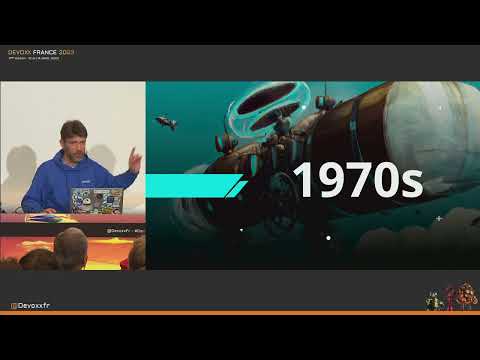
A 40-year history of containers, tracing milestones from chroot (1979) to Linux cgroups (2008) and user namespaces (2013) that enabled Docker (2013) and runtimes like LXC → runc → containerd. It covers Borg/Kubernetes-driven scale leading to sandboxed and daemonless options such as Podman (rootless), highlights security risks (76% of containers ran as root in 2022), and introduces WebAssembly modules (WASM + WASI) as tiny portable units now supported by Docker.
AI-written summary · about
chapters (23)
- 0:00Introduction
- 4:23Key definitions: containers & runtimes
- 8:42Unix origins and chroot (1979)
- 13:21FreeBSD jails and precursors
- 14:50Linux VServer and light virtualization
- 16:16Linux namespaces and isolation
- 18:01Borg and Solaris Zones
- 19:49OpenVZ and modern containers
- 21:16Cgroups and container evolution
- 23:44LXC: first Linux containers
- 24:46Warden and container simplification
- 25:52Docker in userspace (2013)
- 27:17Docker’s birth and revolution
- 30:27Maritime container inspiration
- 32:12Docker security issues and daemon
- 35:50Docker 1.11 and RunC
- 37:18OCI and container standardization
- 38:40Podman: rootless and daemonless
- 40:06Kubernetes and CNCF
- 40:28WebAssembly and Wasm modules
- 43:36WASI and advanced security
- 44:41Docker now supports Wasm
- 45:24Resources and conclusion
related talks
 05mKeynote: Wasm: A Revolution for Browsers, Containers, and the Cloud
 07mBeyond The Browser: Wasm in Your Cloud Development Workflow
 24mWeb Assembly, Docker, Containerd, and Kubernetes
 10mEverything You Wanted to Know to Adopt WASM Now!
 23mWasm and Containers Deep Dive
 33mLeveling Up Wasm Support in Kubernetes
 41mOptimizing Microservices with WebAssembly and Linux Containers: Exploring Hybrid Contain...
 31mWebAssembly & Containers: The Power Couple