We won. Now what?

summary
Open source wins mainstream adoption over the last decade — corporate converts (Microsoft embraces Linux since 2015), desktops shift to Chrome OS as the "year of Linux", and platforms monetize permissive code, forcing reactions like MongoDB relicensing and the rise of restrictive proposals such as the Hippocratic license. New problems surface: data misuse more dangerous than closed code, AI and facial‑recognition systems show demographic bias, contributor shortages and poor diversity persist, and corporate support is uneven so the movement must refocus beyond code to data, people, and governance.
AI-written summary · about
chapters (12)
- 0:00Intro
- 0:39Disclaimers
- 2:12What's this all about?
- 6:53Open standards, too!
- 8:21License wars redux
- 12:02Not a business model!
- 12:59Winning isn't enough
- 13:21The state of technology
- 13:53The Algorithm' won't save us
- 17:39Hot take
- 19:51People problems
- 23:16Let's talk about it!
related talks
 18mOpen For Good
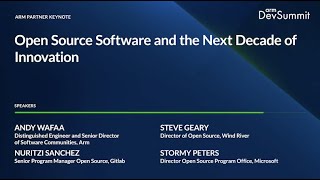 21mOpen Source Software and the Next Decade of Innovation
 39mOpen Source Is Winning but We Can Still Lose
 41mThis is bigger than us: Building a future for Open Source
 29mThe Rising Ethical Storm in Open Source
 42mOpen Source at a Crossroads
 25mOpening Keynote
 36mState of Open Source in 2024