Unlearning - The Challenge of Change
summary
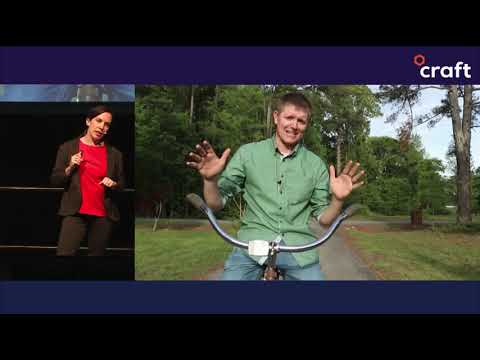
Argues that deliberate unlearning — not just training — is required at individual, team and org levels, with two kinds of change (no habit vs entrenched habit) and a long unlearning curve. Uses applied improvisation and short experiential drills (space-numbers, paper-airplane exercise) to rewire habits, and introduces escape thinking as a low-risk way to remove one assumption. Concrete proofs: backwards bicycle: adult 8 months vs child 3 weeks, improv with visually impaired students succeeds, and kids’ “make it taste like chocolate” idea spawns a junior designers program.
AI-written summary · about
chapters (13)
- 0:00Start
- 2:25LOOK RIGHT
- 3:47What is UNLEARNING?
- 11:31SPACE NUMBERS
- 18:22LET'S GET PERSONAL
- 25:07UNLEARNING ORGANIZATIONS
- 28:18EXAMPLES OF UNLEARNING AT WORK
- 29:08UNLEARNING THE ORG CHART
- 31:26UNLEARNING IS HARD EMPATHY IS REQUIRED
- 40:58CHANGING HABITS
- 41:10BRING AN OUTSIDERS' PERSPECTIVE
- 43:24ESCAPE THINKING
- 45:08CONDUCT UNLEARNING REVIEJS
related talks
 42mUNLEARNING: THE CHALLENGE OF CHANGE
 21mLearning to be a Transformational Leader
 22mChoosing Failure
 27mStop Sabotaging Yourself: Break Mental Blocks to Actually Use What You Learn
 40mInsights From Happy Change Agents.
 40mMoving Culture Change
 31mHow to Anticipate and Deal with Changes
 37mRiding The Rollercoaster of Change: Turning uncertainty into growth