HOW TO RECONCILE FACIAL RECOGNITION TECHNOLOGIES WITH CONSUMERS' PRIVACY

summary
Clearview AI is found to have scraped images for mass surveillance, is banned from Canada but refuses to delete Canadian images, and police use of its data is judged unlawful; a mall deployment ends up holding 5 million templates that can recreate faces; regulators run studies with 2,700 survey respondents and report over 80% public support for police use but only 44% for retail; Microsoft imposes a voluntary moratorium on selling FRT to police in California; the AI Act bans real‑time but not post‑hoc biometric ID.
AI-written summary · about
chapters (6)
- 0:00Start
- 14:23Corporate Biometric Data Uses (Examples)
- 48:17Safeguards, moratorium, or a ban?
- 52:49Beyond biometric identification • Access Now & AllOut: Campaign against automated gender recognition
- 54:22Civil society position on the EU's Al Act
- 55:56Prohibitions on biometric surveillance in
related talks
 01h 05mFacial recognition, a 'convenient' and 'efficient' solution looking for a problem?
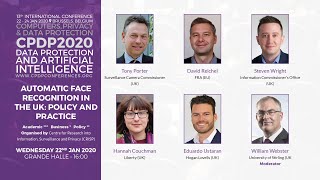 01h 14mAutomatic Face Recognition in the UK: Policy and Practice.
 01h 13mFace Surveillance: Current Status, Future Action.
 54mFast and Loose with Facial Recognition Technology: Modern Tech, Race, and Civil Liberties
 01h 11mLiquid AI: Accountability and governance of transnational AI systems.
 19mGDPR, AI & use of Video data
 21mCombining Privacy and AI
 40mNew Face, Who Dis? Protecting Privacy in a World of Surveillance