Sovereign by Design, Open by Default

summary
Claims that strict sovereignty improves open source by forcing robustness and reuse; a year-old coalition grew to 11+ projects and members including SAP and Deutsche Telekom and produced a working Open Defense Cloud designated a Bundeswehr strategic platform. Built from tested pieces—Talos, IronCore, Gardener, metal³/metal-operator, KCP/platform-mesh and the Open Component Model—it supports air‑gapped delivery via OCI bundles and a data‑diode workflow and meets strict compliance and supply‑chain requirements.
AI-written summary · about
chapters (13)
- 0:00Introduction and motivation
- 9:55Open Defense Cloud stack
- 14:50Kubernetes-based infrastructure layers
- 27:56Compliance and supply chain security
- 31:51Contributing to open source ecosystems
- 32:53Q&A: Hardware sovereignty
- 33:37Q&A: Sigstore and self-hosting
- 34:40Q&A: Talos provider development
- 35:43Q&A: Neophas Foundation rationale
- 36:27Q&A: VMware and future platforms
- 36:47Q&A: Security evaluation of open source
- 37:52Q&A: DNS and network sovereignty
- 38:14Q&A: Hardware sovereignty challenges
related talks
 30mSovereignty and Open Source? How To Put Your Money Where Your Mouth Is!
 28mDigital sovereignty Why open infrastructure matters
 12mDigital sovereignty: Why open infrastructure matters
 23mDigital sovereignty: Why open infrastructure matters
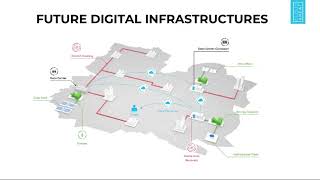 25mDigital Sovereignty - Why Open Infrastructure Matters
 37mDigital Sovereignty Driving Open Source in Germany and Europe
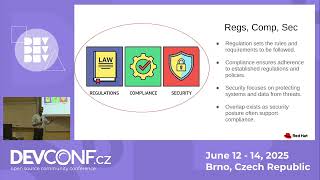 45mRegulated and Sovereign : Impact to the Open Source Developer
 34mSCS: Buildig Open Source Cloud and Container Infrastructure