AI on the Fast Lane: Smart Traffic Systems to Unclog our Cities

summary
Claims an AMORE adaptive multiobjective optimized routing system where vehicle and intersection agents bid for road segments and vehicles select routes by weighted objectives Vehicles run an app and stationary roadside units reply with normalized costs Simulations in NetLogo hundreds of runs compare distance only, static multiobjective and dynamic AMORE and show dynamic replanning gives shortest travel times and keeps congestion driven delay to less than 20% Infrastructure needs include V2X-enabled infrastructure roadside units local edge terminals and a city traffic management center with known maps and historical data
AI-written summary · about
chapters (9)
- 0:00Introduction to AI in Traffic Management
- 0:22About the Speaker: Ara Del
- 1:26Overview of Traffic Management Challenges
- 3:53Decentralized Traffic Intelligence
- 4:25How Smart Traffic Systems Work
- 12:04Simulation Results and Analysis
- 14:54Infrastructure Requirements for Implementation
- 17:13Benefits of AI-Driven Traffic Management
- 20:11Conclusion and Future Vision
related talks
 13mAUTO: Adaptive Congestion Control Based on Multi-Objective Reinforcement Learning...
 42mThe Importance of Open Simulators and AI in a Changing Mobility Landscape
 15mComputational Mobility: Learning, Prediction, and Algorithms
 41mPredicting the Traffic Jam Congestion Aware Routing
 19mTestbed for Development of AI Solutions to Boost Operational Efficiency in Transportation Networks
 35mDriving Societal Change Through AI Innovation
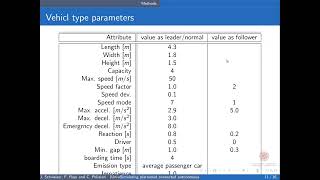 20mSimulating platooned connected autonomous vehicle in a large scale urban scenario
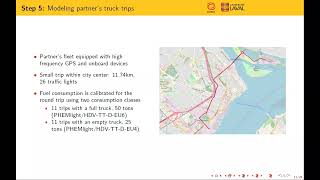 17mSignal priority for improving fluidity and decreasing fuel consumption