OpenShift: a Kubernetes Story in an Enterprise Environment

summary
Bank IT replaces VMware and ServiceNow VMs with OpenShift 3.4 in production and a custom private‑cloud (Python/Django REST) that exposes an Open Service Broker API and Terraform provider. CI/CD uses Jenkins + OpenShift S2I so code reaches a URL in minutes; storage uses GlusterFS volumes; clusters run bare‑metal Kubernetes at scale with simulated failures for resilience. Adoption grows to >1,000 developers onboarded by end‑2018, secrets live in OpenShift secrets, and fallback to OKD (open‑source) mitigates vendor risk.
AI-written summary · about
chapters (9)
- 0:00Introduction to Danske Bank's journey
- 3:23From Windows shop to Linux servers
- 8:42OpenShift and Kubernetes adoption
- 12:58OpenShift as a full platform
- 17:17DevOps and container boundaries
- 21:54Business products on OpenShift
- 24:49Demo: Code to deployment
- 35:07OpenShift risks and IBM acquisition
- 40:28Q&A and summary
related talks
 30mOpenShift: a Kubernetes Story in an Enterprise Environment
 22mOpenShift, or Kubernetes on steroids
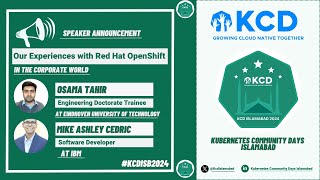 21mOur Experiences with Red Hat OpenShift in the Corporate World
 45mOpenShift the power of Kubernetes for developers
 36mHow to run like a startup with enterprise Kubernetes
 01h 06mOpenShift - the power of Kubernetes for engineers
 07mKeynote: OpenShift is Enterprise-Ready Kubernetes
 26mCloud kubernetes Native Applications