The Risky Business of Risk Illiteracy (Sean Juroviesky)

summary
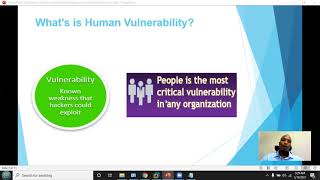
Claim: 68% of breaches stem from non‑malicious human factors and 98% of those would be stopped by enforcing MFA. Build an inventory, layered data‑flow diagrams with trust boundaries, and map revenue impact so you can translate likelihood into dollar loss. Prioritize fixes by exploitability and business impact, not CVSS or headlines. Practical mitigations listed include enforce multifactor authentication, rotate keys and use password wallets, and keep a single source of truth linking ownership, mitigation steps, and revisit dates.
AI-written summary · about
chapters (9)
- 0:00Introduction and speaker welcome
- 1:03Purpose of security and risk definition
- 4:34Threat modeling fundamentals
- 8:47Understanding threats and vulnerabilities
- 11:55Calculating business impact
- 14:00Mitigation and documentation strategies
- 18:58Prioritizing relevant risks
- 20:19Speaker background and community involvement
- 21:27Q&A session
related talks
 01h 07mKeynote Presentation Blinded by “the weakest link” A New Perspective on Human Risk
 16mSecurity, Fraud, and Compliance
 22mSecurity and Risks
 41mHuman Vulnerability Management and Assessment in the Age of Zero Trust
- 22mSecurity and Risks
 28mBreaches Are Everywhere; What's a Good Security Leader to Do
 46mDesigning Like a Hacker
 46mBusinesses Run On Risk And Debt: Why Communicating Security Risk Is Hard