Trust Engineering: Building Security Leadership at Early-Stage...

summary
Trust Engineering is a five-step framework that claims the first security hire succeeds by aligning with sales and marketing, making security work visible, using compliance as a security tool, making clear decisions, and building a scalable roadmap. It argues customers drive ~90% of security demand, recommends artifacts like published FAQ answers and standard questionnaire responses, suggests buying targeted tools (example: CSPM for threat detection) to unblock deals, and frames security as revenue-enabling under the motto Always be selling.
AI-written summary · about
chapters (22)
- 0:00Introduction and speaker intro
- 1:04About the speaker and framework
- 3:15Why startups hire security leaders
- 5:02How startup security differs
- 6:06Key traits for first security hire
- 7:50Core skills for early-stage security
- 9:36Real expectations of the role
- 12:03What is trust engineering
- 13:10Why trust engineering matters
- 14:13Five steps of trust engineering
- 15:17Aligning with sales and marketing
- 17:42Making security work visible
- 19:04Using compliance as a tool
- 20:28Making clear decisions
- 22:16Building a scalable roadmap
- 23:40Always be selling security value
- 24:43Security is about trust
- 25:25Q&A: Common pitfalls and mistakes
- 27:09Q&A: Expanding security team
- 28:13Q&A: Politics in early-stage roles
- 29:59Q&A: Compliance vs FUD for budget
- 31:04Closing remarks and thanks
related talks
 19mSo You’re the First Security Hire
 24mBeing secure by design: Engineer-led security
 03mImplementing security into an organization
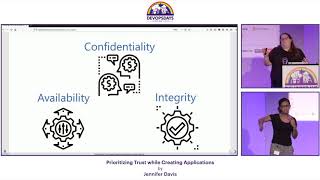 31mPrioritizing Trust while Creating Applications
 44mA Matter Of Trust: When Security Is Not Enough
 34mSecure by design - the secret weapon of high-performing organisations
 48mLevel Up Your Security Mindset
 38mPrioritizing Trust While Creating Applications