Secure by design - the secret weapon of high-performing organisations
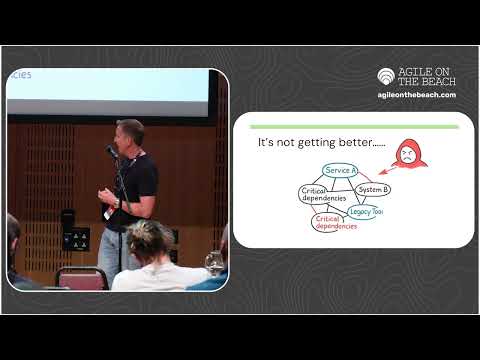
summary
Claims that embedding secure, trustworthy and resilient design across four steps — organisational policy, cultural adoption, design-time security in agile (backlog, acceptance criteria, definitions of done), and continuous improvement — turns security into a competitive advantage. Uses loss and hazard analysis to define unacceptable outcomes, then maps controls to system behaviours, collects evidence for assurance, and treats security as a product risk alongside finance and ops. Expects an initial velocity dip then sustained faster, safer delivery.
AI-written summary · about
chapters (10)
- 0:00Introduction
- 1:04Security vs agile clash
- 3:09High-performing orgs
- 7:00Security as business issue
- 10:09Growing threat landscape
- 14:27Secure by design meaning
- 16:57Better security questions early
- 26:50Four-step secure by design
- 30:24Security and agile benefits
- 34:00Q&A
related talks
 27mSecurity by Design
 01h 17mSecure by Design - Security Principles for the Working Architect
 43mSecurity By Design
 24mSecurity by default
 24mBeing secure by design: Engineer-led security
 47mTransforming Security Through Design
 03mGreat software is secure software
 03mImplementing security into an organization