Evasive Maneuvers: Trends in Phishing Evasion & Anti-Evasion

summary
Shows concrete evasion techniques: attackers insert Unicode homoglyphs and no‑break spaces to turn “password” into an undetectable token that bypasses static filters, deploy browser-in-browser HTML/CSS overlays that steal credentials, and host logins on Google Translate domains that accept a recipient parameter to auto‑render any brand. Reports measurable rises: 800% increase in QR phishing, 200% more encoded HTML files, 500% more compromised mailboxes used to re‑phish, and call centers producing ~1,000 scam templates/month; demos of IP/host blocklists and two‑step redirects prove these methods evade current defenses.
AI-written summary · about
chapters (15)
- 0:00Phishing trends and evasion
- 2:32Unicode bypassing text filters
- 3:57Browser-in-browser phishing
- 5:22Archive-in-browser ZIP attacks
- 6:44QR code phishing mobile risks
- 7:45CAPTCHA geofencing evasion
- 9:54Two-step phishing with legit services
- 11:39Abuse of Microsoft Google services
- 13:26Malicious HTML obfuscation
- 15:10Tech support phone scams
- 17:39Social media phishing compromise
- 19:23Account takeover risks
- 22:13Why phishing succeeds despite filters
- 23:38In-browser phishing solutions
- 26:27Key takeaways prevention
related talks
 49mDo Attackers Use Algorithms to Evade ML? An In-the-Wild Phishing Case Study
 52mFlying Under the Radar - New Security Evasion Techniques
 16mTowards Adversarial Phishing Detection
 41mHook, Line, & Sinker - Addressing the Human Risk of Phishing and How to Avoid the Bait
 55mPhishing: The War of Infinity
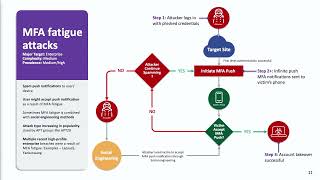 49mThe Death of Conventional MFA: How AiTM Attacks Are Changing the Game
 41mHacking Humans : Social Engineering Techniques and How to Protect Against Them
 40mGet Rich or Get Hunted Trying: Uncovering Large Scale Fraud Operations