Cyberterrorism during and post COVID-19: How the pandemic boosted cyber crime
summary
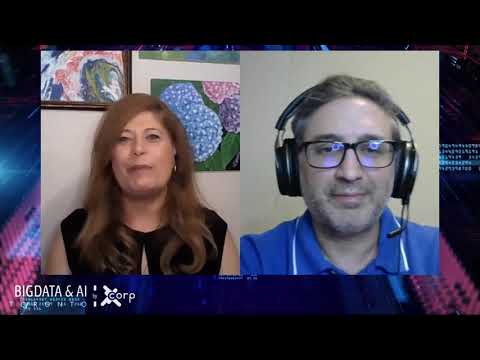
Claims that COVID-19 sharpens online recruitment into violence by boosting isolation, economic stress and conspiracy uptake, citing Christchurch, Quebec mosque and Jan 6 as precedents; studies show misinformation spreads 70x faster and 124 TikTok anti‑vax videos drew ~20 million views while adults under 25 most likely to believe false COVID claims; uploader notes about 300 active hate groups in Canada; mitigation examples include AI chatbot for veterans, social‑post mental‑health detection and predictive models, but AI bias and false positives remain unresolved.
AI-written summary · about
chapters (5)
- 0:00Start
- 1:46Alexander Bisinet
- 9:52Mental Health
- 11:11Surge in Domestic Violence and Mental Illness
- 17:53Ai Biases and Racial Profiling
related talks
 29mCOVID-19 and Cyber Security: Side Effects or Business as Usual?
 45mObserved Malicious Cyber Criminality During COVID in the African and Arab Regions
 50mDemystifying the Digital Pandemic
 24mHow to prevent cyberwar
 34mNowhere to Hide: How COVID-19 Forever Changed Your Company’s Attack Surface
 40mHot Topics in Misinformation: Election 2020, COVID 19, and More
 24mData: The Dark Side Post COVID19
 29mThe Invisible War to Hijack Minds, Distort the Truth, and Impact Elections