The risks of performative psychological safety

summary
Argues that quick trust rituals like trust-circle sharing and “tell your darkest secret” exercises produce short-term connection but routinely overstep professional vs private boundary and trigger harm, based on a decade of engineering‑team practice and a devised set of five diagnostic questions. Recommends swapping private prompts for work‑rated ones, naming and enforcing boundaries, and deploying mental health first aider support; warns the seductive dopamine of instant intimacy often undermines real psychological safety.
AI-written summary · about
chapters (11)
- 0:00Introduction
- 4:58What is performative safety
- 13:24Why it feels deceptively safe
- 16:35Risks of trust-building exercises
- 27:17Problem with misguided safety
- 28:39How to spot performative safety
- 30:47Healthy team boundaries
- 33:18When boundaries are crossed
- 37:49Authenticity at work
- 42:06Slow path to real safety
- 43:12Q&A
related talks
 15mInfusing Psychological Safety into Your Teams
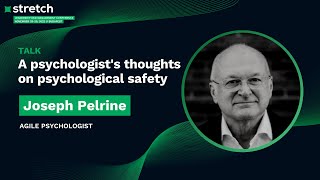 45mA psychologist's thoughts on psychological safety
 34mDiverse Leaders in Tech - Psychological Safety: Building Trust, Accountability, and Inclusion
 22mUnleash Your Team's Potential Through The 4 Stages Of Psychological Safety
 40mHigh Performance via Psychological Safety
 01h 01mPsychological Safety and Mental Health in Times of Crisis
 56mFeeling Safe to be Uncomfortable
 27mFostering psychological safety in distributed teams