Payments and Investments

summary
Payments let investments flow without banks: cheques are now free and truncated so they clear cheaply, while UPI recurring mandate replaces ACH headaches and lets customers approve monthly pulls on their phone. Liquid funds act like shadow short‑term banks with liquid funds ~7–8% returns and ~0.5% fees, offer instant redemption in five minutes and debit cards tied to mutual funds; examples include IDFC’s UPI flow and Reliance’s card. Claim: this can cut banking intermediation and even “save 80% tax” in some structures.
AI-written summary · about
chapters (12)
- 0:00Introduction
- 0:22Past payments
- 2:37Investments
- 6:58UPI
- 8:42Inflow
- 9:47Counterparty risk
- 12:52Onetime mandates
- 13:31Credit cards
- 14:34Ditching a bank
- 15:37Saving 80 tax
- 18:09How liquid funds work
- 19:11Questions
related talks
 37mTechnical overview of recurring payments using e-NACH and UPI v2
 40mWhat are Faster Payments and Why Should a Security Practitioner Care?
 59mPayments
 02mAPIs: The Invisible Engines Behind India’s Digital Economy Transformation
 40mState of UPI - Observations from reluctant observer
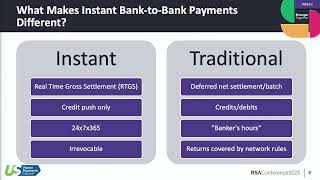 52mThe Critical Importance of Identity for Instant Payments
 26mReimagining the Banking Core: APIs as the Digital Fabric of Transformation
 35mCustomer Panel